

In today’s fast-paced world, night vision drones have proven to be a game-changer for night time operations. Whether you’re a professional working in search and rescue, someone capturing stunning night time footage, or a business looking to enhance security, these advanced technologies, combined with specialized cameras, provide clear visibility in low light or even complete darkness. By 2025, advancements in sensor technology have made night vision drones more accessible, affordable, and powerful than ever before. This guide will tell you in detail what night vision drones are, how they work, benefits and models.
What Are Night Vision Drones?
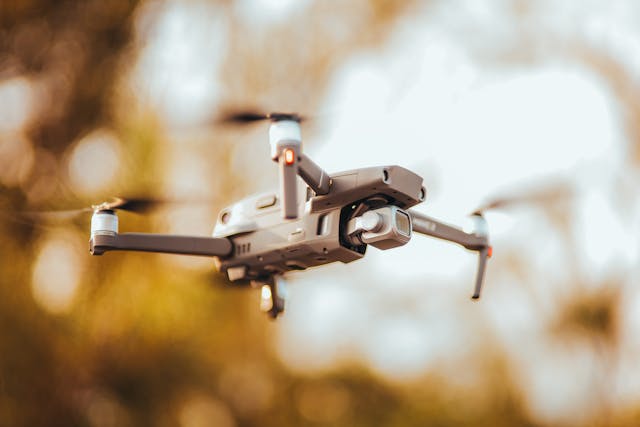
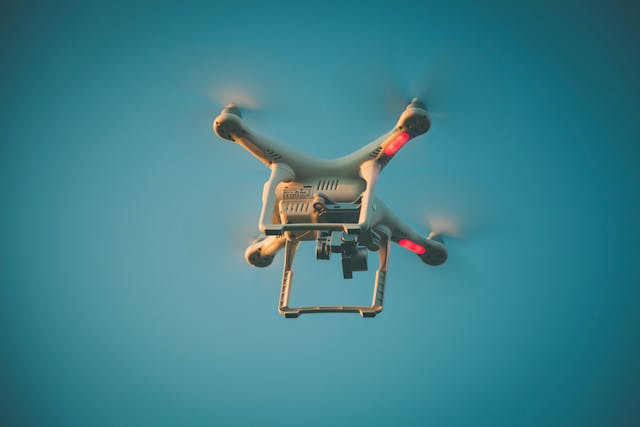
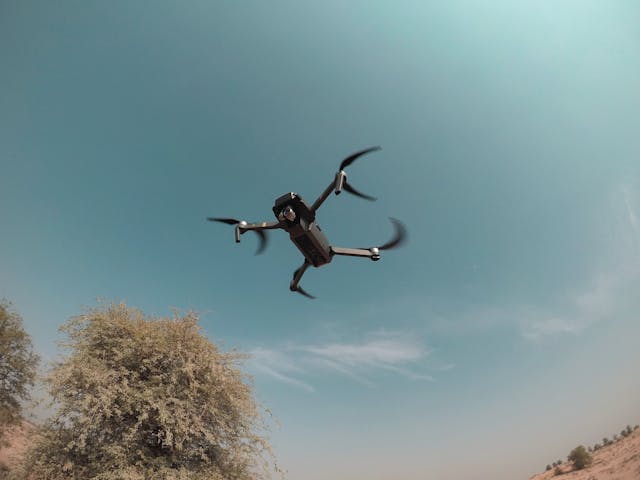
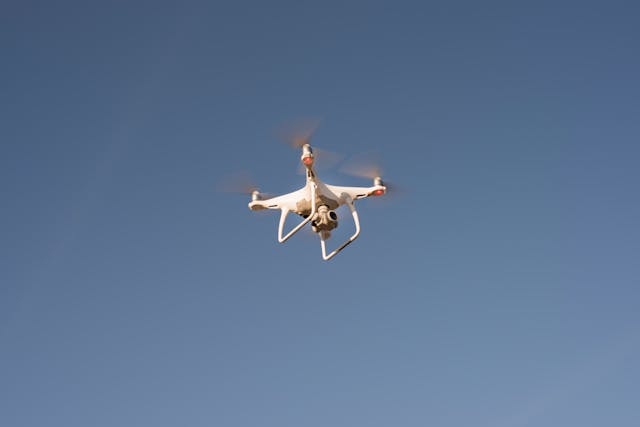
Night vision drones are UAVs that are integrated with cameras or sensors that are sized so that they can capture images and videos in low-light conditions where normal cameras fail. Unlike traditional drones that rely on visible light, these models use advanced imaging technology to see in the dark, making them ideal for nighttime missions. Many of today’s modern night vision drones combine these technologies to provide hybrid performance, such as that seen in enterprise-level models made by brands like DJI and Autel. For example, some drones have ultra-starlight sensors that can provide clear images even in total darkness, while also overcoming the limitations of pure image thermal systems, such as poor object identification.
How Do Night Vision Drones Work?
Low-Light Amplification Technology
Low-light cameras used in night vision roles work by collecting photons from the atmosphere. These photons are captured by a photodiode, which converts them into electrons. These electrons are then passed through a microchannel plate or similar component, which exponentially multiplies their number. Finally, these amplified electrons are captured on a phosphor screen, which creates a bright, visible image. This process amplifies the light by up to 50,000 times, making even dimly areas appear as if they were daylight.
Thermal Imaging Mechanics
It measures energy based on temperature. A detector detects this long-wave infrared radiation and converts it into an electrical signal. The software then converts this signal into a color palette where hotter areas appear as red or white, and cooler areas appear as blue or black. This is why thermal imaging cameras are great for living in pitch-black conditions because they don’t depend on light at all.
Infrared and Hybrid Systems
Infrared and Hybrid systems emit their own light, which is in the near-infrared spectrum, and then capture its reflection. Hybrid night vision drones fuse data from multiple sensors, for example, by overlaying thermal heat maps on low-light images to improve clarity. Advanced AI features include noise reduction, object tracking, and real-time analysis to ensure smooth operation even in challenging weather. Battery life, light stability, and data transmission are also key factors, and most drones use FPV systems to stream night vision feeds to control apps.
Top Night Vision Drones in 2025
DJI Mavic 3T Enterprise:
The best overall drone for thermal imaging has a 640×512 thermal camera, a 48MP visual sensor, and a flight time of up to 45 minutes. It is ideal for surgeon rescue because it deploys quickly and now has features like obstacle avoidance. The price is around five thousand dollars.
Autel EVO Max 4T:
A top professional choice that offers both starlight night vision and thermal hybrid, it has video recording for up to two minutes of light time and air tracking. It is good for line format. Due to the zoom capabilities, its price is around nine thousand dollars.
DJI Matrice 30T:
Best for industrial use, it features a high-resolution thermal wide-angle camera and laser finder, can fly for up to 41 minutes, and is suitable for inspection.
Conclusion
As we complete this detailed exploration of night vision drones, it is clear that these drones are not just tools for low-light operations, but also a sign of a significant change in how industries and individuals can handle the challenges of the night. From search and rescue operations that require threading the lives we want to live, to agricultural inspections that optimize yields in the dark. Night vision drones are provide efficiency, safety, and stealth. With sensor fusion, air drills, and hybrid image systems, advanced paint, these drones make high-quality aerial photography accessible to everyone, making them a must-have for both professionals and amateurs.
Leave a Reply