

Understanding Types, Speed Limits, and What Really Matters
As drones become more popular for photography, racing, delivery, and even military purposes, many people wonder how fast a drone can fly. The speed of a drone depends on its type, prop design, and even the weather conditions. Everything from record -breaking flights to flying at high speeds can be explained in a way that helps you understand why drones fly so fast or so slow.
Average Drone Speeds by Type
Let’s start with a general comparison of drone speeds across different categories:
| Drone Type | Average Speed | Top Speed Potential |
|---|---|---|
| Toy Drones | 10 – 20 km/h (6–12 mph) | Up to 25 km/h (15 mph) |
| Camera Drones | 35 – 70 km/h (22–44 mph) | Some go up to 90 km/h (56 mph) |
| FPV Racing Drones | 80 – 160+ km/h (50–100+ mph) | Records exceed 180 km/h (112 mph) |
| Delivery Drones | 40 – 80 km/h (25–50 mph) | Limited by load & regulation |
| Military Drones | 150 – 300+ km/h (93–186+ mph) | Some exceed 500 km/h (310 mph) |
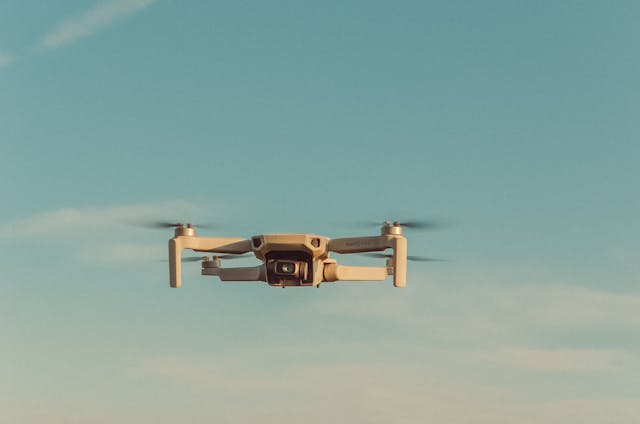
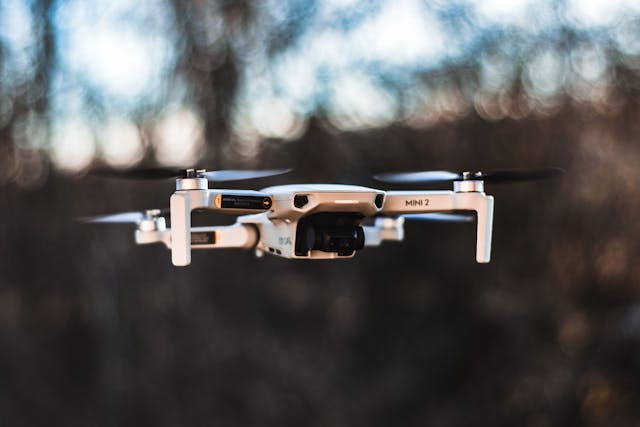
How Fast Are Camera Drones Like DJI?
Camera drones are designed for stability and long flight time more than speed. Popular consumer drones such as the DJI Air 3 and DJI Mavic 3 usually apply speed of about:
-
Cruising speed: ~45–65 km/h (28–40 mph)
-
Sport mode: Up to 70–80 km/h (43–50 mph)
This speed is enough to follow a moving car or biker, but still in safe control. Whenever applying high speed in support mode, be sure to use GPS and obstacle avoidance features.
How Fast Can FPV Drones Fly?
FPV drones are the speed kings of the world. They are the drones that are seen in races or high-speed aerial stunts.
-
Average FPV drone speeds: 80–120 km/h (50–75 mph)
-
Custom builds or racing drones: 160+ km/h (100+ mph)
FPV drones are lightweight, agile, and free of NSX-T to maximize performance. They are mostly manually controlled, meaning they have no GPS or safety features, making them difficult to apply but very versatile.
How Fast Do Delivery Drones Fly?
Companies like Amazon Prime Air, Zipline, and Wing have introduced delivery drones that are used to deliver small packages in urban and rural areas. The average speed of a delivery drone is 40–80 km/h (25–50 mph) depending on:
-
Weight of the package
-
Distance
-
Wind resistance
Because of airspace laws and safety limits, most delivery drones are kept under 100 km/h (62 mph) even if they can technically go faster.
Military Drones: The Fastest of All?
Military drones come in a variety of shapes and sizes. Some are designed for surveillance purposes only, while others are fully armed UAVs. These high-performance machines can reach very high speeds. Examples:
-
MQ-9 Reaper (US Air Force): ~480 km/h (300 mph)
-
XQ-58A Valkyrie: Over 1,000 km/h (620 mph)
These drones are not available to the public and include advanced radar systems, long range communication, and heavy payload systems.
What Factors Affect Drone Speed?
Several things affect how fast a drone can actually fly:
1. Propeller Size & Motor Power
Larger propellers and powerful brushless motors mean more thrust and more speed.
2. Weight & Design
Drones with lightweight and aerodynamic designs fly faster and use less energy.
3. Battery Capacity
Remember that high-speed flight drains batteries quickly, so fast drones can’t go far.
4. Wind & Weather
Stronger headwinds can slow down the drone. Tailwinds can increase speed, sometimes to dangerous levels.
5. Flight Mode
Most drones have different flight modes: Normal mode, a balance of smooth and safe, Cinematic mode, Slow and stable footage support mode, Max speed but less active sensors.
Is Flying at High Speeds Legal?
The rules vary slightly from country to country, but here are some general drone regulations:
-
The drone must be kept in visual line of sight all times.
-
The maximum altitude allowed in the visual line of sight is often 400 feet (120 meters)
-
No flying over crowds or restricted zones
-
There are speed limits in some areas for safety concerns
For safety reasons, you should always check the rules of your country’s aviation authority, such as the FAA or CAA, before flying a drone, especially if you want to use the drone above the limit.
Fastest Drones for Hobbyists: Top Picks
Here are a few popular high-speed drones you can buy:
| Drone Model | Top Speed | Best For |
|---|---|---|
| DJI FPV | ~140 km/h (87 mph) | Mixed-use, cinematic |
| GEPRC Mk5 HD | ~160+ km/h (100+ mph) | Freestyle & racing |
| DRL Racer4 | ~180 km/h (112 mph) | Professional racing |
| DJI Air 3 | ~75 km/h (46 mph) | Photography/video |
Fast Doesn’t Mean Better
A lot of beginners think a faster drone is always equal to a better drone. But speed comes at a cost:
-
Harder to control
-
Shorter battery life
-
Greater crash risk
So if you’re new, start slow. Once you master the controls, then move into faster drones.
Final Thoughts: How Fast Can a Drone Fly?
So how fast can a drone fly? The speed of any drone depends on its design, props and type and this range is 10 km/h for toy drones and up to 40-70 km/h for casual users just for fun and learning. The speed of FPV racing drones is 100 plus km/h for brave speed lovers. Professional slash delivery drones are the perfect balance of speed and safety. Military drones are 500 plus km/h and jet powered monsters.
But remember, speed alone is not everything, so the point is that your drone should operate smoothly and safely at every speed.

Leave a Reply