

Can You Fly a DJI Mini 4 Pro Indoors? What You Need to Know
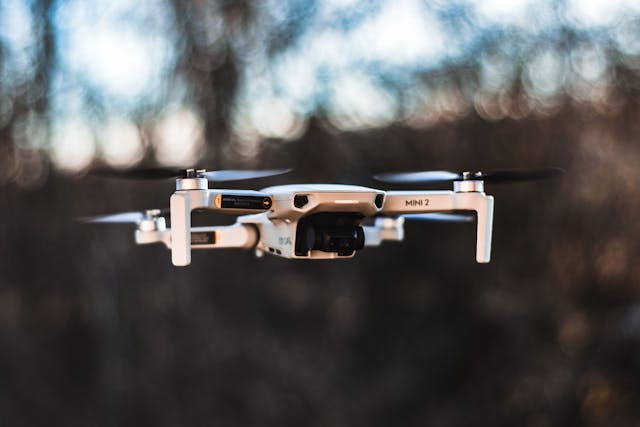
The DJI Mini 4 Pro is a compact and feature-packed drone that has become quite popular with aerial photography and videography enthusiasts. Due to its small size and agility, a common question arises: Can the DJI Mini 4 Pro be flown indoors? The short answer is yes, but there are a few things to keep in mind. In this article, we will see whether it is safe and practical to fly it indoors or not. What preparations are necessary before an indoor flight, and what other settings and precautions should be taken so that your flight is smooth and safe. If you are planning to fly the DJI Mini 4 Pro at home or in a hole, this guide will be helpful for you.
Is It Safe to Fly DJI Mini 4 Pro Indoors?
Flying the DJI Mavic Pro indoors can be safe, but only if you are in the right environment and have the proper control and knowledge. Some of the major challenges for indoor flying are Loss of GPS signal because Indoor GPS signals are not usable which means the drone is at risk of getting stuck in its position. Walls, furniture, ceilings, and people all make indoor flights difficult. But the good news is that the Mini Mavic Pro has updated technology like a stick-on radar sensor on all sides, which improves flight ability even without GPS. These features make the Astron more capable than the previous model. There are special flight spaces for indoor flying, where the GPS signal is lost.
What Makes the DJI Mini 4 Pro Suitable for Indoor Flight?
Several features make the DJI Mini 4 Pro more capable for indoor use compared to many other drones:
1. 360 Obstacle Sensing
Compared to previous mini models, the Mini 4 Pro has 3 degrees of stick detection. This feature protects the drone from colliding with ceilings and furniture, especially in indoor environments where there are things everywhere
2. Precision Hovering with Visual Sensors
To stay stable without GPS when the GPS signal is not available, as indoor drones normally do, but due to the Mini 4 Pro’s bottom-mounted visual positioning sensors, this drone can fly stably from its place. Even without GPS.
3. Compact and Lightweight
It is compact and lightweight under 249grams. Its light weight is quite important for indoor flying. Even if there is a light bomb, the chance of damage is reduced and more relaxation is provided.
4. Cinematic Control Modes
You can use the Cinematic mode to give the drone smooth, slow and then speed moments. This mode is best for indoor flying where space is limited and control is very important.
These features make the DJI Mini 4 Pro more reliable and beginner-friendly for indoor flying, but it is still important to take proper precautions.
Risks of Flying the Mini 4 Pro Indoors
Yes, it is possible to fly DJI Mini pro 4 indoors, but that doesn’t mean you can fly it anywhere. It is important to understand some of the risks of indoor flying.
-
No GPS Lock: GPS signals are not available in an indoor environment, so drones relay only on visual and ultrasonic senses. This system is as much as GPS can do
-
Increased Crash Risk: There is a higher risk of crashing. Indoor tight spaces have unpredictable objects such as ceiling fan lights and nature or house paints. All of these increase the chance of the drone hitting the drone.
-
Propeller Injuries: The open rotors of the drone can cause injury if they collide with a person or object. This risk is even higher in indoor spaces because the space is limited.
-
Signal Interference: Thick walls or metal furniture can affect the control signal, which can cause latency and even disconnection.
If you are flying indoors, it is important to take proper precautions, such as Propeller guards are used in open indoor spaces like flying boards, and this will make your flying experience safer for both of you.
Best Indoor Use Cases for DJI Mini 4 Pro
Flying indoors may not be your go-to method, but there are specific scenarios where it shines:
-
Real Estate Videography: If you work in real estate, it is possible to shoot smooth indoor tours of luxury homes and apartments with a drone. This footage gives clients a premium cinematic experience.
-
Product Showcases: Indoor fly-throughs are perfect for events or product demos.
-
Practice Sessions: With the help of the drone, you can practice the product with smooth angles and motion in a controlled environment, or you can safely test different flight modes and manual control skills.
-
Creative Cinematic Shots: Indoor locations such as hallways, stairwells, atriums are all great for creating aesthetic cinematic visuals. Especially when you are using the drone in cinematic mode.
Comparison: Flying Indoors vs Outdoors
| Feature | Indoors | Outdoors |
|---|---|---|
| GPS Availability | No GPS | Full GPS lock |
| Obstacle Risk | High (walls, ceilings) | Moderate (trees, poles) |
| Wind Impact | No wind | Wind can affect stability |
| Control Precision Required | Very high | Moderate |
| Propeller Guard Recommended | Yes | Optional |
| Ideal Use | Practice, real estate shots | Landscapes, long-range flying |
When NOT to Fly the Mini 4 Pro Indoors
There are some situations where flying indoors is not advisable:
-
Small, cluttered rooms with no open space
-
Low light or dark environments
-
Around people or animals
-
Near electronic devices or magnetic interference
In such scenarios, it’s better to practice outdoors or use a simulator mode if you’re training.
Final Thoughts
The DJI Mini 4 Pro’s advanced features make indoor flying possible and practical. Its optical sensors, lightweight build, and precision control give you a new world of indoor creative possibilities. Whether you’re capturing unique moments, practicing your skills, or working on a new real estate shoot where you need a drone, as long as you apply smart and keep trying, you’ll find that the Mini 4 Pro handles indoor flying very well and will be your perfect companion.

Leave a Reply